Aladin: A Vibrant Display Font for Creative Projects
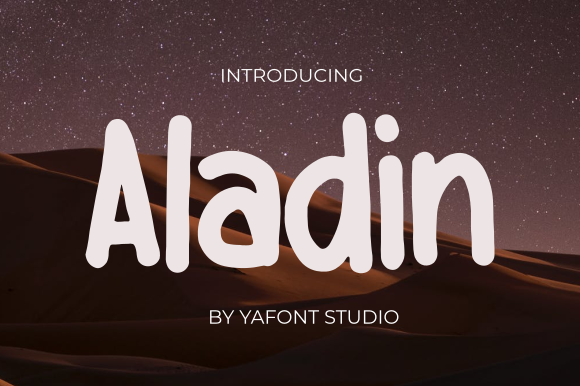
Aladin is a display font that brings energy and flair to any design. With its large monoline style, it stands out as a bold choice for headlines, titles, and other prominent text elements. Whether you're designing a book cover, creating a logo, or working on a digital poster, Aladin adds a dynamic touch that grabs attention.
The font's clean lines and consistent stroke width make it highly readable even at larger sizes. This makes it ideal for situations where visual impact is key. Unlike more traditional fonts, Aladin doesn't rely on intricate details or varying weights; instead, it uses a strong, uniform look that feels modern and approachable.
Where Aladin Shines in Design
If you're a designer looking for a font that balances creativity with clarity, Aladin might be the perfect fit. It works especially well in environments where a vibrant look is desired without sacrificing legibility. Think about book covers, for example—Aladin can help create a title that feels both eye-catching and professional.
For cartoon artists or illustrators, Aladin offers a fun and expressive option for titles or captions. Its bold style complements playful visuals while ensuring the text remains clear and easy to read. Even in digital media, such as social media posts or website headers, Aladin can add a fresh and modern aesthetic.
Real-World Use Cases for Aladin
Consider a small business owner launching a new product. They need a logo that stands out but still communicates professionalism. Aladin could be the answer. The font’s simplicity allows it to blend seamlessly with other design elements while making a strong first impression.
Educators and publishers might also find value in Aladin. When creating educational materials or children’s books, a font that feels lively yet easy to read is essential. Aladin’s large monoline style ensures that even young readers can follow along without difficulty.
Marketers and bloggers often need to create content that draws attention quickly. Using Aladin in headlines or call-to-action buttons can help increase engagement by making the text more visually appealing. Its versatility means it can work across various platforms, from print to digital.
How Different Users Can Benefit from Aladin
Freelancers who specialize in graphic design or branding can use Aladin to differentiate their work. Clients appreciate unique typography that sets a project apart from the competition. By incorporating Aladin into their designs, freelancers can offer something fresh and memorable.
Entrepreneurs running online stores may want to enhance their branding with a distinctive font. Aladin can be used in store names, promotional banners, or packaging labels. Its clean and modern appearance aligns well with brands aiming for a contemporary image.
Even hobbyists who enjoy DIY projects or crafting can benefit from Aladin. Whether they’re making custom invitations, signage, or handmade cards, this font adds a professional finish that elevates the overall look of their creations.
Things to Consider Before Using Aladin
Before choosing Aladin for your next project, consider the context in which it will be used. While it excels in many areas, it may not be the best choice for long blocks of text due to its bold nature. It’s more suited for short, impactful phrases rather than lengthy paragraphs.
Also, think about the overall design style you're aiming for. Aladin’s monoline style gives it a certain personality, so it should complement the rest of your visual elements. If your design has a more intricate or detailed feel, Aladin might stand out too much and disrupt the balance.
Lastly, ensure that you have the right tools and software to work with Aladin effectively. Some design programs may require specific plugins or licenses to access certain font features. Always check the requirements before downloading or purchasing the font.
Getting the Most Out of Aladin
To maximize the potential of Aladin, experiment with different layouts and color combinations. Pairing it with contrasting colors can enhance its visibility and make it more effective in grabbing attention. Try using it in combination with other fonts to create a layered and dynamic look.
Another tip is to test how Aladin appears at various sizes. Since it’s a display font, it’s important to ensure that it looks good whether it's used in a small caption or a large headline. Adjusting spacing and alignment can also help achieve the desired effect.
By considering these factors and experimenting with different applications, you can unlock the full potential of Aladin and use it to create designs that are both stylish and functional.