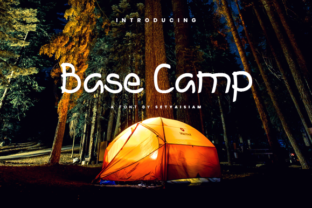
Base Camp: A Flexible Font That Elevates Design with Bouncy and Dynamic Style
Base Camp is more than just a font—it's a design tool that brings energy, clarity, and visual impact to any project. With its bouncy and dynamic style, Base Camp stands out in a world of static, traditional typefaces. Whether you're working on branding, web design, print materials, or digital content, this font offers the flexibility needed to match a wide range of creative needs.
Understanding Base Camp and Its Role in Design Workflows
Base Camp is a versatile font designed for both digital and print use. It combines clean lines with subtle curves that give it a friendly yet professional appearance. This balance makes it suitable for a variety of applications—from marketing collateral to user interfaces. Its dynamic style adds movement to text without overwhelming the reader, making it ideal for headlines, call-to-action buttons, and other prominent elements.
In a broader design workflow, Base Camp can be used at different stages. Before starting a project, designers often choose fonts that align with the brand’s identity and message. Base Camp fits well into this phase as it allows for early experimentation with typography that feels modern and approachable.
During the execution phase, Base Camp helps maintain consistency across multiple platforms. Its compatibility with most design software ensures that it can be used seamlessly in projects ranging from logos to social media graphics. After a project is completed, Base Camp remains useful for revisions or updates, ensuring that the visual tone stays consistent over time.
Integrating Base Camp Into Different Use Cases
The versatility of Base Camp makes it a valuable addition to many workflows. For example, in branding, it can serve as the primary font for company names, taglines, or promotional materials. Its bouncy style adds personality, while its readability ensures that messages are communicated effectively.
For web designers, Base Camp can enhance user experience by improving legibility on screens. It works particularly well for headings and subheadings, where a bit of visual flair can draw attention without distracting from the content. When paired with complementary fonts, it can create a layered typographic hierarchy that guides the viewer through the page naturally.
Print designers may find Base Camp useful for creating eye-catching posters, flyers, and packaging. Its dynamic style can add movement to otherwise flat designs, making them more engaging. Additionally, its flexibility allows it to be used in both large-scale and small-scale print formats, from billboards to business cards.
Content creators and bloggers can also benefit from using Base Camp. It can be used in blog headers, titles, and even in body text when used sparingly. The font’s energetic feel can help convey enthusiasm or innovation, which is especially effective for topics related to technology, lifestyle, and entrepreneurship.
How Base Camp Interacts with Other Tools and Resources
Base Camp works well with a variety of design tools such as Adobe Creative Suite, Figma, Canva, and Google Fonts. Its availability in multiple formats (OTF, TTF, WOFF) ensures that it can be integrated into almost any design environment. This compatibility is crucial for teams that use different software, as it allows for seamless collaboration and file sharing.
When used alongside other design resources like color palettes, illustrations, and photographs, Base Camp enhances the overall aesthetic. For instance, pairing it with bold colors can create a high-contrast look that grabs attention, while using it with minimalist backgrounds emphasizes its clean, modern feel.
Base Camp also integrates smoothly with content management systems (CMS) and website builders. Many of these platforms support custom fonts, allowing users to apply Base Camp directly to their websites without needing advanced coding skills. This ease of integration makes it accessible to both professionals and hobbyists alike.
Practical Tips for Using Base Camp Effectively
To get the most out of Base Camp, consider the following tips:
- Use it for emphasis: Apply Base Camp to headlines, subheadings, or call-to-action buttons to make them stand out visually.
- Pair it wisely: Combine Base Camp with a more traditional serif or sans-serif font to create a balanced look. This contrast can help guide the reader’s eye through the content.
- Test it across devices: Ensure that Base Camp looks good on both desktop and mobile screens. Adjust sizes and spacing as needed for optimal readability.
- Experiment with weights: If Base Camp comes in multiple weights (light, regular, bold), use these to create visual depth and hierarchy within your design.
- Keep it consistent: Once you’ve chosen Base Camp for a project, stick with it throughout to maintain a cohesive visual identity.
By applying these tips, you can ensure that Base Camp enhances your designs rather than detracting from them. Its flexibility allows for creative freedom, but it’s important to use it thoughtfully to achieve the desired effect.
Preparing for Long-Term Use and Quality Control
When incorporating Base Camp into a long-term project or routine, preparation is key. Start by evaluating how it fits with your existing design system. Does it complement your brand’s voice? Will it remain relevant over time?
Consider the technical aspects of using Base Camp as well. Ensure that it is properly licensed for all intended uses, especially if you’re working with clients or publishing content online. Understanding licensing terms can prevent legal issues down the line.
Consistency is another factor to keep in mind. While Base Camp offers a dynamic style, it should be used consistently across all touchpoints to reinforce brand recognition. This includes websites, social media profiles, email newsletters, and printed materials.
Finally, always test Base Camp in real-world scenarios. How does it look on different screen sizes? Does it render correctly in various browsers? Addressing these questions early can save time and effort later on.
With careful planning and thoughtful implementation, Base Camp can become an essential part of your design toolkit. Its bouncy and dynamic style not only adds visual interest but also supports clear communication—making it a smart choice for anyone looking to elevate their work.