Old Linoleum: A Strategic Font for Creative and Professional Use
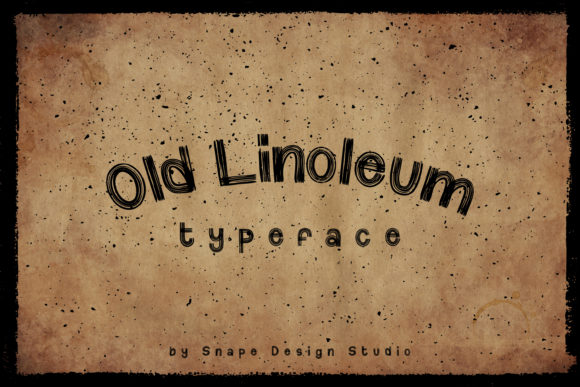
Old Linoleum is more than just a font—it's a tool that can elevate your creative output, branding, and communication strategy. This chalked, vintage-style display font carries a nostalgic charm that resonates with audiences seeking authenticity and character. Its clean yet textured design makes it a versatile choice across various industries and use cases. Whether you're designing marketing materials, creating educational content, or developing a brand identity, Old Linoleum offers a unique way to stand out while maintaining readability and professionalism.
As an experienced designer and content creator, I've found that fonts are not just about aesthetics—they influence perception, engagement, and the overall effectiveness of a message. Old Linoleum is no exception. When used thoughtfully, it can enhance visual storytelling, support strategic positioning, and align with long-term branding goals. Let’s explore how this font can be strategically integrated into your workflow and what considerations should guide its use.
Understanding Old Linoleum: Design and Versatility
Old Linoleum mimics the look of hand-chalked text, giving it a tactile, retro feel. The font's simplicity and clarity make it suitable for both digital and print formats. It’s designed to be legible even at smaller sizes, which is crucial when incorporating it into logos, headlines, or call-to-action buttons.
The versatility of Old Linoleum lies in its ability to blend seamlessly with modern layouts while adding a touch of nostalgia. It works well with minimalist designs, vintage-inspired themes, and even contemporary interfaces where a subtle contrast is needed. For instance, using Old Linoleum for a headline on a sleek, modern website can create a striking juxtaposition that captures attention without overwhelming the viewer.
Strategic Use Cases for Old Linoleum
Here are some practical scenarios where Old Linoleum can serve as a strategic asset:
- Branding and Logo Design: Incorporating Old Linoleum into a logo can help establish a brand identity rooted in authenticity and tradition. It’s especially effective for businesses with a heritage or those aiming to evoke a sense of craftsmanship.
- Marketing Materials: Use Old Linoleum for headlines in brochures, flyers, and social media posts to create a memorable first impression. Its vintage aesthetic appeals to audiences who appreciate quality and timelessness.
- Educational Content: In teaching materials or presentations, Old Linoleum can add a friendly, approachable tone. It works well for titles, section headers, and infographics that require a balance between visual interest and readability.
- Event Invitations and Posters: The font's texture and warmth make it ideal for invitations, event posters, and promotional materials that aim to convey a personal or community-driven vibe.
- Product Packaging: Brands selling artisanal, handmade, or retro-inspired products can benefit from using Old Linoleum on packaging to reinforce their brand story and values.
These use cases highlight how Old Linoleum can be aligned with specific goals—whether it's enhancing brand recognition, improving user engagement, or supporting a particular tone of voice.
Planning Your Approach: How to Integrate Old Linoleum Effectively
Before relying on Old Linoleum, it's important to consider the context and purpose of your project. Ask yourself: What message am I trying to convey? Who is my target audience? How does this font align with my brand's personality?
A thoughtful approach involves:
- Aligning with Brand Identity: Ensure that Old Linoleum complements your existing brand guidelines. If your brand is modern and tech-focused, a vintage font may not be the best fit unless it serves a specific narrative.
- Testing Readability: While Old Linoleum is visually appealing, it's essential to test its legibility in different contexts. Avoid using it for body text, as it may reduce readability and distract from the main message.
- Contrasting with Backgrounds: Choose backgrounds that provide sufficient contrast to ensure the text stands out. Dark colors work well with light text, and vice versa.
- Limiting Usage: Use Old Linoleum sparingly to maintain focus. Overusing it can dilute its impact and lead to visual clutter.
By carefully planning how and where to use Old Linoleum, you can maximize its effectiveness while avoiding common pitfalls.
Risks of Using Old Linoleum Without Strategy
While Old Linoleum has many strengths, there are risks associated with using it without clear goals or context. One of the most common issues is misalignment with the brand's core values or audience expectations. For example, using a vintage font for a high-tech product might confuse customers or create a disconnect between the brand and its offerings.
Another risk is overuse, which can undermine the font's impact and lead to a lack of visual hierarchy. It's also important to note that Old Linoleum may not be appropriate for all languages or scripts, so always verify compatibility if you're working with multilingual content.
To avoid these risks, take the time to evaluate your design choices against your business objectives. Ask yourself whether the font supports your message or if it could potentially confuse your audience.
Practical Tips for Using Old Linoleum Intentionally
Here are some actionable tips to help you use Old Linoleum with intention:
- Use it for Emphasis: Reserve Old Linoleum for headings, titles, or key messages where you want to draw attention. This helps maintain visual clarity while leveraging the font's unique style.
- Pair with Complementary Fonts: Combine Old Linoleum with a clean, sans-serif font for body text. This creates a balanced composition and ensures readability without sacrificing style.
- Consider Cultural Context: Be mindful of the cultural connotations associated with vintage fonts. In some cases, they may carry unintended meanings or associations that could affect your message.
- Test Across Devices: Ensure that Old Linoleum displays correctly on different screens and platforms. Some fonts may render differently on mobile devices, so always preview your work before finalizing.
- Stay Consistent: Once you've decided to use Old Linoleum, apply it consistently across all relevant materials. This reinforces brand recognition and builds familiarity with your audience.
By following these tips, you can use Old Linoleum as part of a cohesive design strategy that supports your goals and enhances your creative outcomes.
Final Thoughts: Leveraging Old Linoleum for Long-Term Value
Old Linoleum is a powerful tool that, when used strategically, can contribute to meaningful results in branding, communication, and creativity. Its vintage aesthetic offers a unique way to differentiate your work while maintaining professionalism and clarity.
Whether you're launching a new product, rebranding your company, or simply looking to add a touch of character to your designs, Old Linoleum can be a valuable addition to your toolkit. By considering its strengths, limitations, and appropriate use cases, you can ensure that it supports your goals rather than detracting from them.
Take the time to experiment with Old Linoleum in different contexts and observe how it affects your designs. With careful planning and intentional use, this font can become a lasting asset in your creative journey.