Red Hat: A Playful Font for Creative Expression
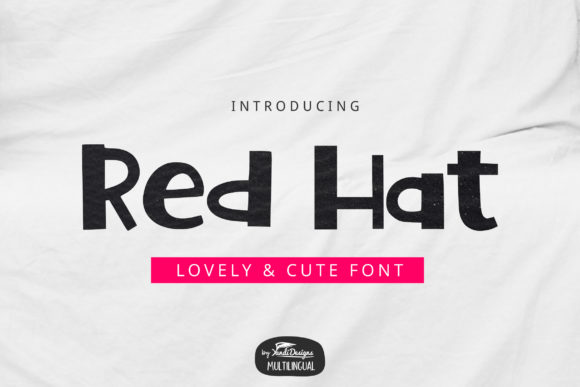
Red Hat is more than just a font—it's a creative tool that brings energy and personality to any design. With its fun, cartoon-like display style, Red Hat stands out as an excellent choice for those looking to add visual interest and charm to their projects. Whether you're designing letterheads, titles, or stationery, this font can elevate your work with a unique and eye-catching look.
Understanding Red Hat and Its Unique Style
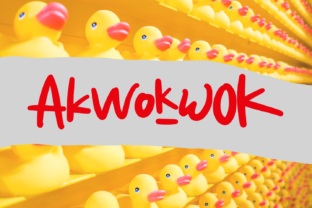
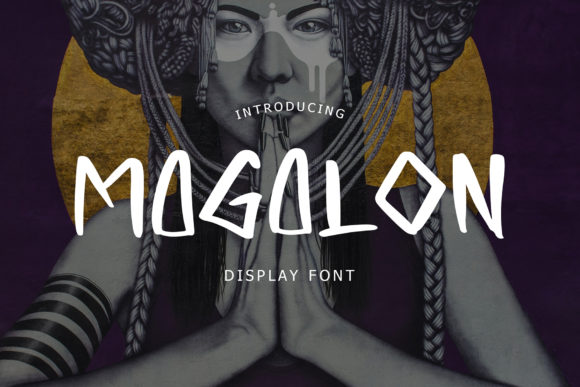
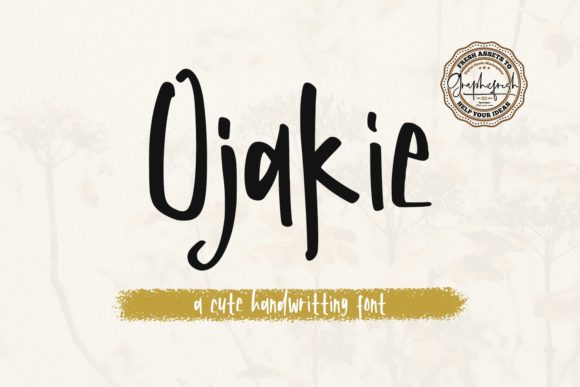
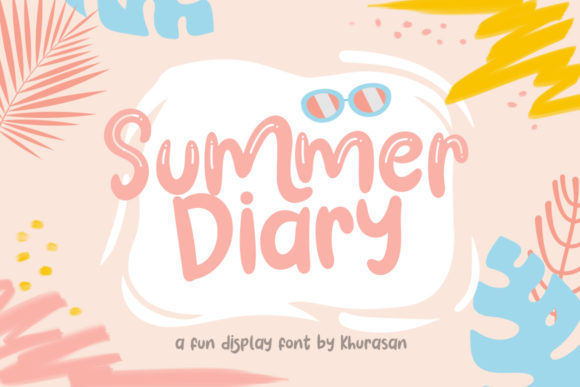
Red Hat is a display font designed to capture attention and convey a sense of playfulness. Unlike traditional serif or sans-serif fonts, it features rounded edges, exaggerated shapes, and a whimsical feel that makes it perfect for creative applications. This distinctive style allows designers to break away from the ordinary and create something truly memorable.
The font’s original look appeals to a wide range of crafty ideas, making it ideal for use in various contexts such as branding materials, invitations, and promotional content. Its versatility ensures that it can be adapted to suit different themes and purposes while maintaining its signature charm.
Practical Benefits of Using Red Hat
Using Red Hat offers several practical benefits that can enhance your creative workflow and final output. One of the main advantages is its ability to simplify decision-making when choosing typography. The font’s bold and expressive nature means that it can often serve as the primary text element without needing additional embellishments.
For professionals like marketers and bloggers, Red Hat can help strengthen communication by adding a friendly and approachable tone to written content. This is particularly useful for brands aiming to connect with younger audiences or create a more relaxed brand image.
Freelancers and small business owners can also benefit from using Red Hat in their marketing materials. From logos to social media posts, this font helps establish a consistent visual identity that reflects creativity and innovation.
Use Cases for Red Hat
Red Hat shines in situations where a playful yet professional appearance is desired. Here are some common use cases:
- Letterheads and Business Cards: Incorporating Red Hat into letterheads or business cards adds a personal touch that sets your brand apart from competitors.
- Titles and Headings: As a display font, Red Hat works well for headlines on websites, presentations, or printed materials, drawing attention and creating visual hierarchy.
- Stationery and Invitations: Whether it's a birthday card or a wedding invitation, Red Hat brings a sense of joy and individuality to stationery designs.
- Branding Materials: For businesses looking to build a strong brand presence, Red Hat can be used in logos, packaging, or promotional banners to reflect a creative and dynamic personality.
Who Can Benefit Most from Red Hat?
While Red Hat is suitable for many types of users, certain groups may find it especially valuable. Educators who want to make learning materials more engaging can use this font to create visually appealing worksheets or classroom signs. Hobbyists and crafters might appreciate how easily it integrates into DIY projects, from scrapbooking to custom T-shirt designs.
Entrepreneurs launching new products or services can leverage Red Hat to create a distinct brand identity that resonates with their target audience. By using this font consistently across all marketing channels, they can reinforce their brand message and stand out in a crowded marketplace.
Considerations When Choosing Red Hat
While Red Hat has many strengths, it's important to consider whether it fits your specific needs before committing to it for a project. This font may not be suitable for formal documents or highly technical content where clarity and professionalism are paramount. In such cases, pairing Red Hat with a more conventional font could provide the best balance between creativity and readability.
Additionally, since Red Hat is primarily a display font, it should be used sparingly in large blocks of text. It works best when reserved for headings, titles, or short phrases rather than long paragraphs. This ensures that the overall design remains clean and easy to read.
Enhancing Creativity with Red Hat
One of the most significant advantages of using Red Hat is its ability to support creativity. The font’s unique character encourages experimentation and allows designers to think outside the box when developing visual concepts. This makes it an excellent choice for anyone looking to push creative boundaries and explore new design possibilities.
For instance, a blogger working on a lifestyle blog might use Red Hat to create catchy article titles that immediately grab readers' attention. Similarly, a publisher creating children's books could incorporate this font into illustrations or chapter headings to add a sense of fun and adventure.
By incorporating Red Hat into their design toolkit, creators can unlock new ways to express themselves and bring their ideas to life in a more engaging manner.
Recommendations for Using Red Hat Effectively
To get the most out of Red Hat, it's essential to use it thoughtfully within your design projects. Here are a few recommendations:
- Pair with Complementary Fonts: Combine Red Hat with a simpler, more readable font for body text to maintain visual harmony and ensure legibility.
- Experiment with Color: Try different color combinations to see how they affect the overall look and feel of your design. Bright colors can enhance the playful nature of the font, while muted tones offer a more sophisticated appeal.
- Use in Moderation: Avoid overusing Red Hat in large sections of text. Reserve it for key elements such as headings or call-to-action buttons to maintain focus and clarity.
- Test Across Devices: Ensure that Red Hat displays correctly on various devices and screen sizes. This will help maintain consistency across digital platforms and printed materials.
By following these guidelines, you can effectively integrate Red Hat into your creative projects and achieve the desired impact without compromising on quality or readability.
Conclusion
Red Hat is a versatile and expressive font that offers numerous benefits for creative professionals and hobbyists alike. Its playful yet professional style makes it an excellent choice for a wide range of applications, from branding materials to stationery designs. By using this font strategically, you can enhance your visual communication, support your creative goals, and leave a lasting impression on your audience.